Fresh vs. Frozen Seafood: What Restaurant Guests Should Know Before Ordering
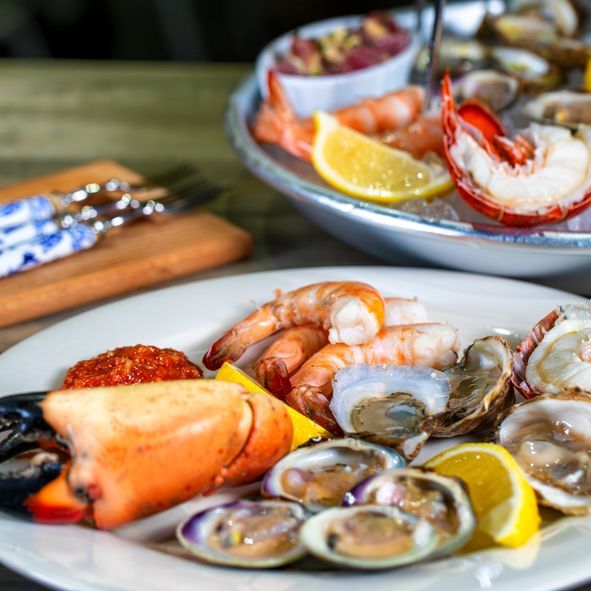
Many restaurant guests assume that fresh seafood is always better than frozen seafood. It is an easy assumption to make, especially in coastal areas like South Florida, where diners often search for fresh seafood in Hallandale Beach, FL, seafood boils, crab legs, shrimp, lobster, oysters, and casual dine-in seafood restaurants.
The reality is more nuanced. Fresh seafood can be excellent, but frozen seafood can also be high quality when handled, stored, thawed, and prepared correctly. In many cases, the difference between an enjoyable seafood meal and a disappointing one has less to do with whether the seafood was ever frozen and more to do with the restaurant’s sourcing, storage, preparation, cooking methods, and overall quality standards.
For guests choosing where to eat seafood in Hallandale Beach, it helps to understand what “fresh” really means, how freezing affects seafood, and what to look for in a seafood restaurant.
What Does “Fresh Seafood” Actually Mean?
The phrase “fresh seafood” can mean different things depending on the setting. Some diners hear “fresh” and assume the seafood was caught that morning and served the same day. While that can happen in certain situations, most seafood served in restaurants travels through a supply chain before it reaches the kitchen.
Fresh seafood generally refers to seafood that has not been frozen or is being sold in a chilled state. However, “fresh” does not always mean “never frozen.” Some seafood may be frozen shortly after harvest, then thawed before being sold or prepared, which is common in the seafood industry because seafood is highly perishable and must be carefully controlled during transportation and storage.
For a coastal seafood restaurant in Hallandale Beach, access to seafood can be an advantage, but location alone does not determine quality. Even in South Florida, restaurants still depend on proper receiving, refrigeration, storage, and preparation. A restaurant near Hollywood, FL, Miami, or Hallandale Beach may offer a wide range of seafood options. Still, the guest experience depends on how well that seafood is managed from delivery to the plate.
That is why diners should think beyond the word “fresh.” The more important question is whether the seafood is high quality, properly handled, and prepared in a way that brings out its flavor and texture.
How Freezing Can Preserve Seafood Quality
Frozen seafood is often misunderstood. Many guests associate frozen seafood with lower quality, but modern freezing methods can help preserve seafood at a high level when done properly.
Flash freezing is commonly used to quickly freeze seafood after harvest or processing, helping slow quality loss and maintain texture, flavor, and food safety. Because seafood is delicate and perishable, freezing can be a practical way to preserve product quality during transportation and storage.
This does not mean frozen seafood is always better than fresh seafood. It also does not mean fresh seafood is always better than frozen seafood. Both can be excellent, and both can be disappointing if handled poorly.
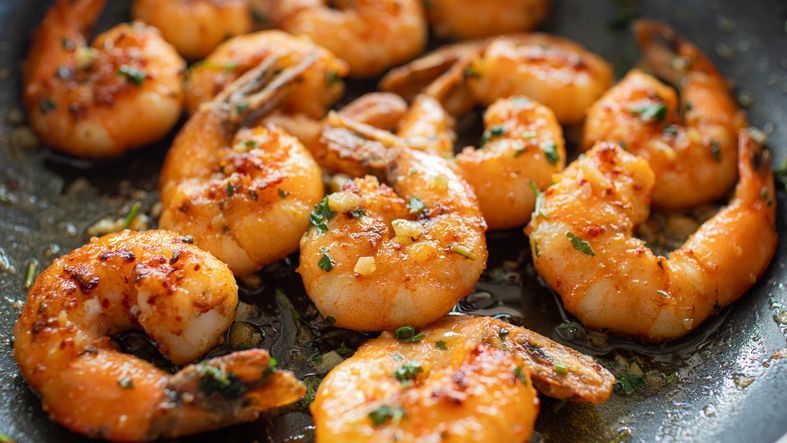
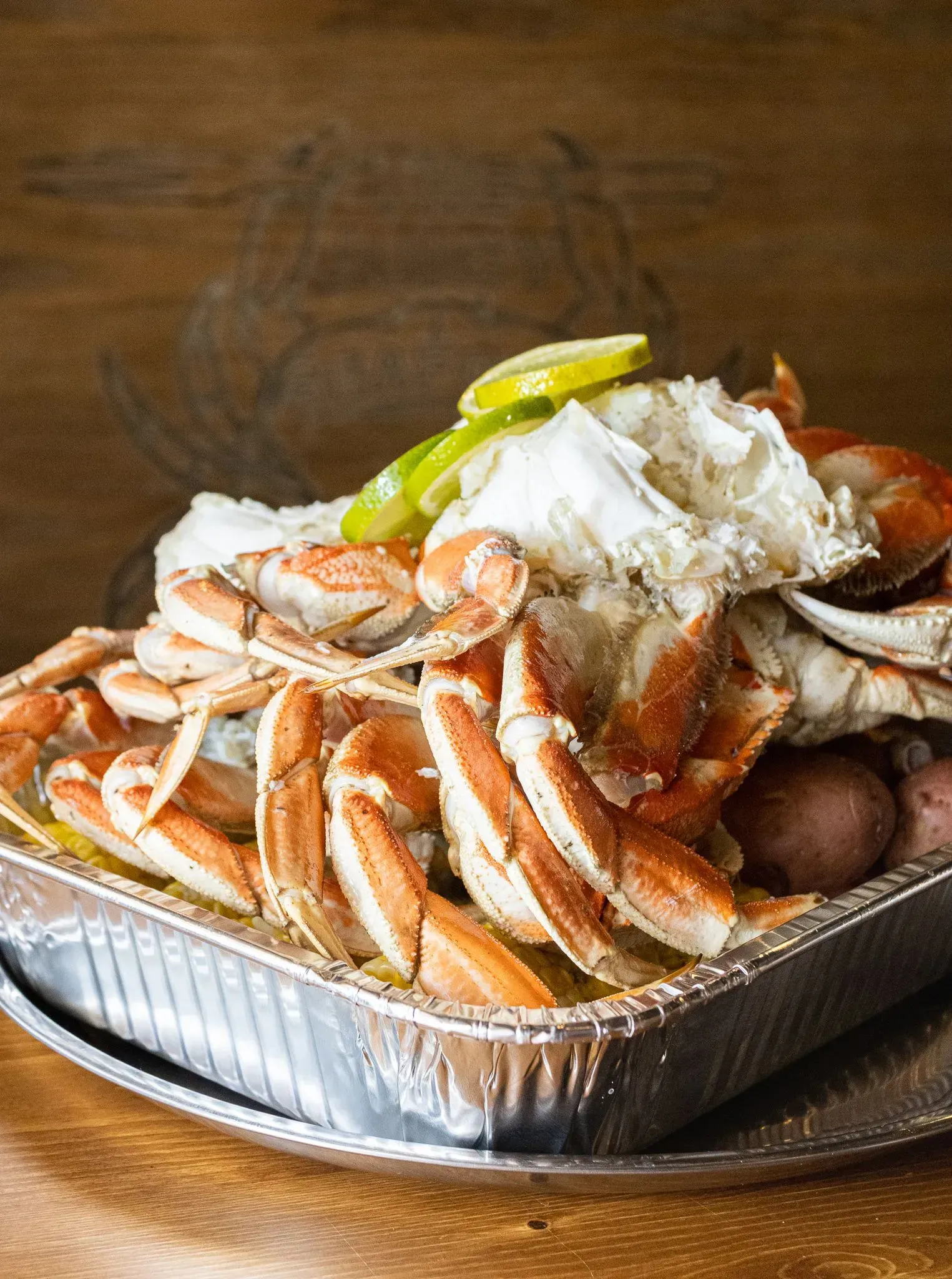
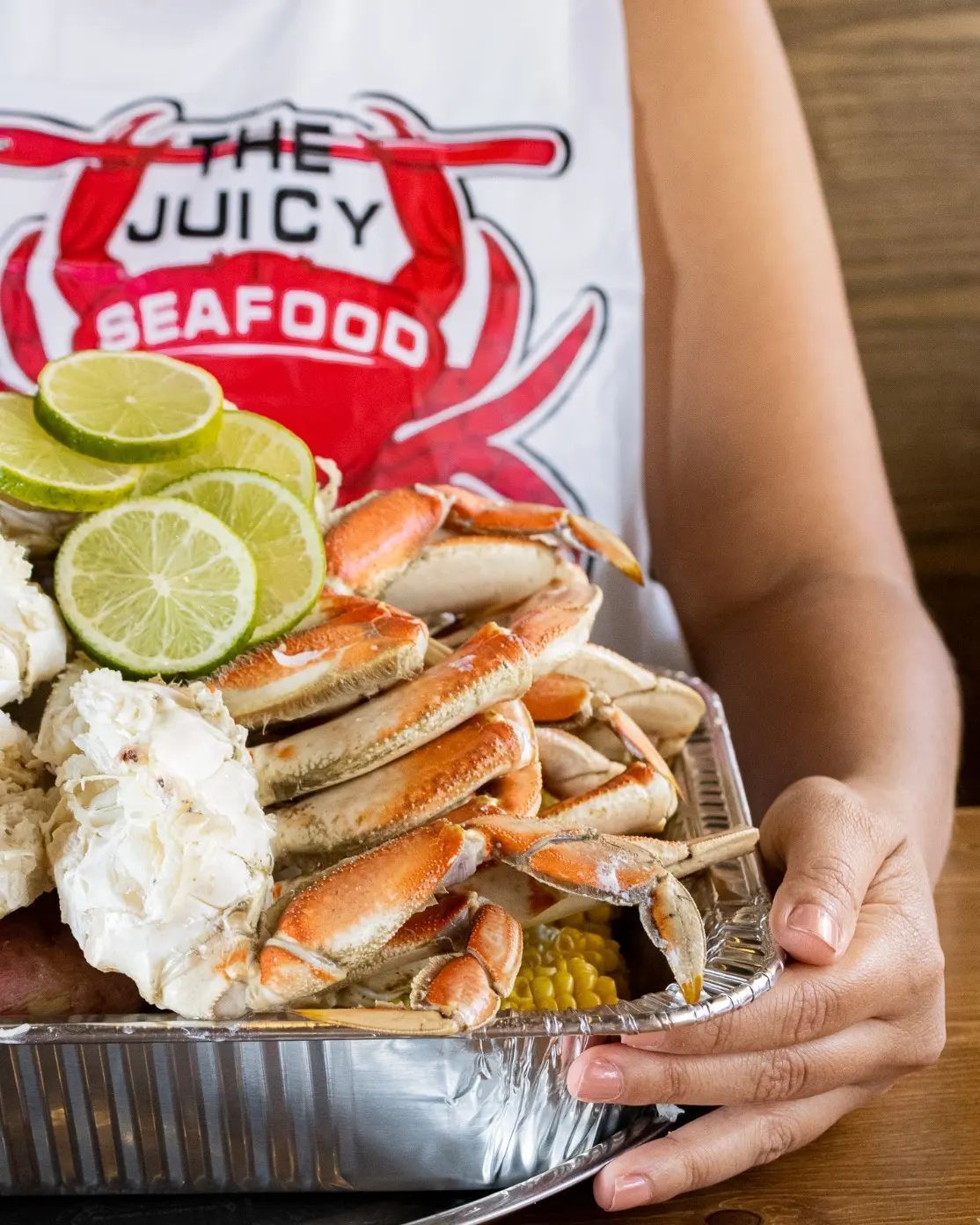
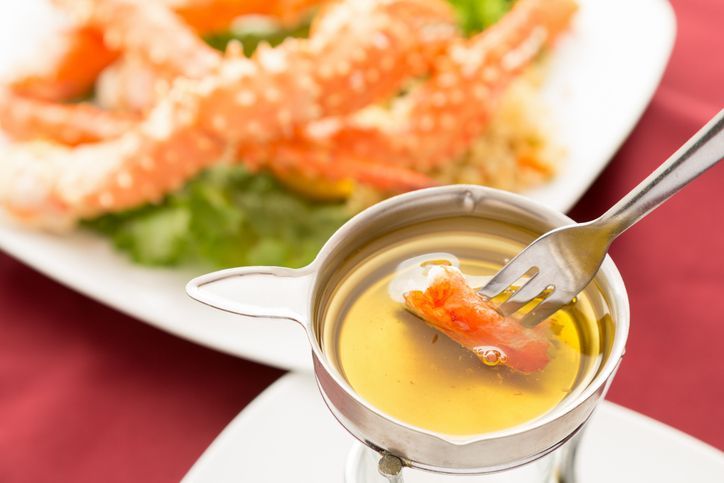
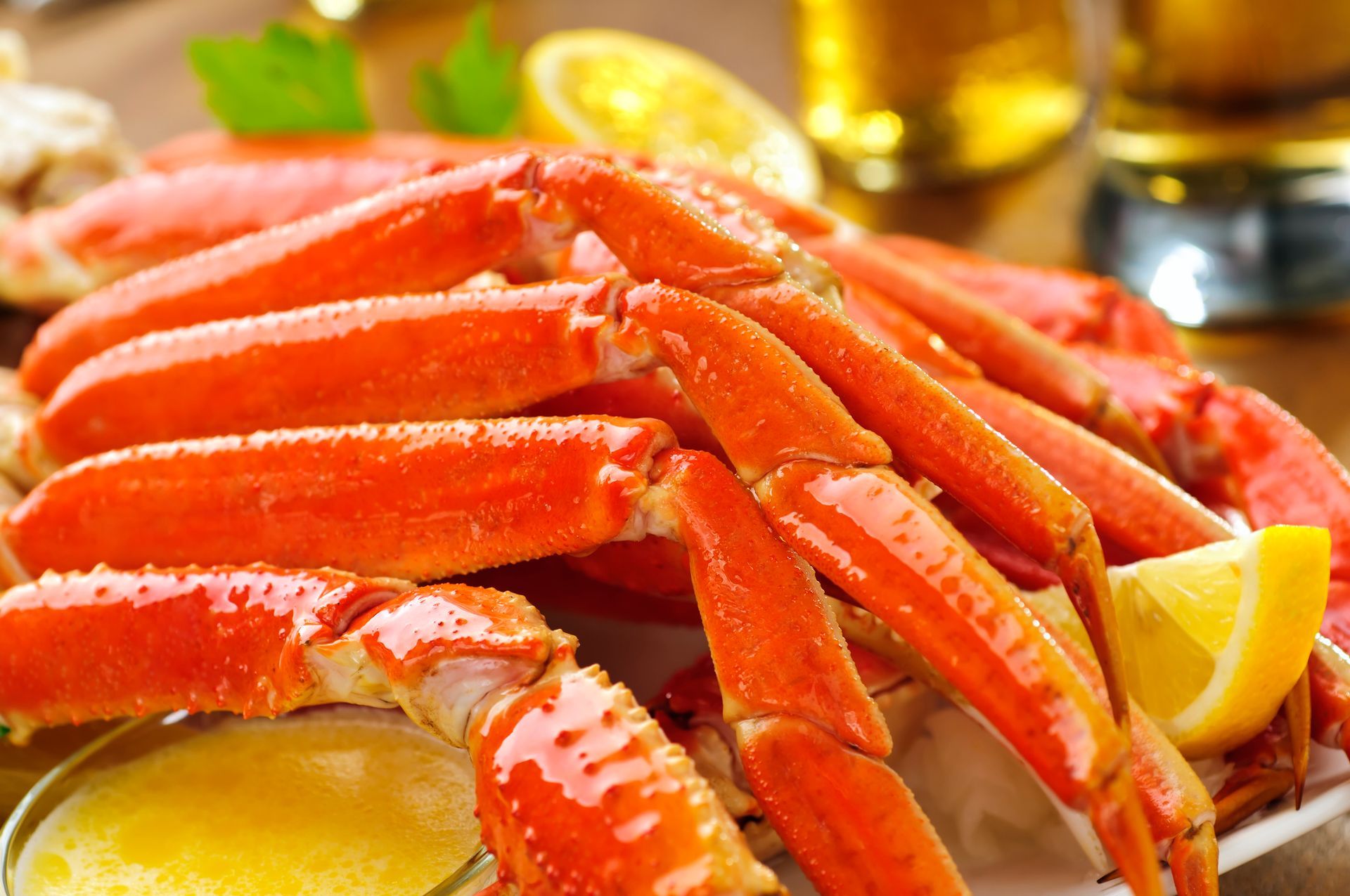
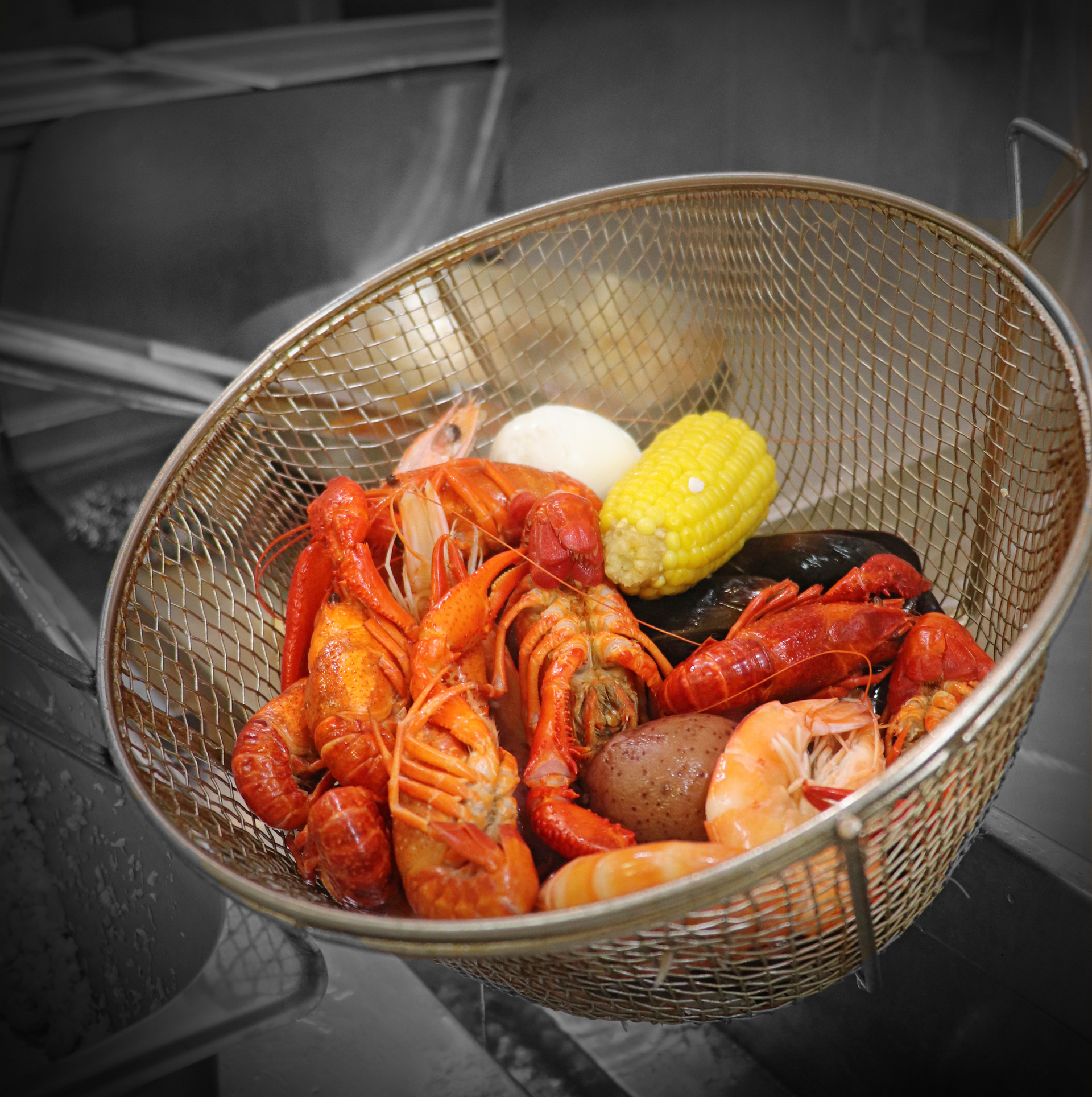
For example, frozen shrimp, crab legs, lobster, and other seafood items can perform well in restaurant kitchens when they are properly thawed and cooked. Seafood boils, in particular, rely on preparation, seasoning, timing, and texture. Whether a guest orders crab legs, shrimp, crawfish, lobster, or a seafood boil combination, the final result depends on how the kitchen handles the seafood and prepares the meal.
Freezing can also support menu variety. A seafood restaurant with dine-in service may use a mix of both fresh and frozen seafood depending on seasonality, availability, sourcing, and menu needs. This allows restaurants to offer more consistent options across crab legs, shrimp, lobster, oysters, fried seafood, grilled seafood, and seafood boil selections.
The Real Difference Is How Seafood Is Handled
Seafood quality depends heavily on handling. Fresh seafood that is not stored properly can quickly lose quality. Frozen seafood that is thawed improperly can also lose texture and flavor. In both cases, careful handling matters.
Key handling factors include:
Proper temperature control
Seafood must be kept at safe temperatures before it is cooked, a rule that applies to fresh, frozen, and thawed seafood.
Clean storage practices
Seafood should be stored in a way that protects quality and helps avoid cross-contact with other foods.
Careful thawing
Frozen seafood should be thawed using proper food-safe methods. Rushing the thawing process can affect texture and consistency.
Skilled preparation
Seafood needs appropriate cooking times and techniques. Overcooked shrimp can become tough. Crab legs need to be heated properly. Lobster requires attention to texture. Oysters, fried seafood, grilled seafood, and seafood boils each require their own preparation approach.
Consistent kitchen standards
A strong seafood restaurant focuses on repeatable processes. Guests should be able to return and enjoy a consistent dining experience, whether they order shrimp, crab legs, lobster, or a seafood boil.
This is where a seafood restaurant’s approach matters. Guests are not only ordering ingredients. They are trusting the kitchen to choose, store, prepare, season, and serve seafood with care.
Why Variety Matters at a Seafood Restaurant
When people search for a seafood restaurant in Hallandale Beach, they are often looking for more than one type of seafood. Some guests want crab legs. Others want shrimp, lobster, crawfish, oysters, fried or grilled seafood, or a seafood boil with bold seasoning, all served in shareable portions.
Menu variety matters because dining out for seafood is personal. Some guests want a casual meal with fried shrimp or fish. Others want a dine-in seafood boil with crab legs and lobster. Families may need options that suit different tastes, while visitors from Hollywood, Miami, or nearby South Florida communities may be looking for a local seafood restaurant offering a relaxed dining experience.
A varied seafood menu helps guests choose the meal that fits the occasion. It also allows a restaurant to offer seafood in different preparations, such as:
- Seafood boils with crab legs, shrimp, crawfish, or lobster
- Fried seafood for a familiar, casual option
- Grilled seafood for guests who prefer a lighter preparation
- Oysters for diners looking for a classic seafood choice
- Combination meals for guests who want to try more than one item
For guests comparing Hallandale Beach restaurants, variety can be one of the most helpful signs that a seafood restaurant understands different dining preferences. A strong menu gives guests flexibility without making the experience feel complicated.
To see available options before visiting, guests can explore our seafood menu and decide what kind of seafood experience they want.
Choosing a Seafood Restaurant in Hallandale Beach
When choosing a seafood restaurant in Hallandale Beach, guests often look for quality seafood, friendly service, a comfortable atmosphere, and a menu that offers enough variety for the table. While “fresh” is an important search term, it should not be the only factor.
Here are practical things to consider when choosing where to eat seafood in Hallandale Beach:
Menu variety
Look for a menu with several seafood options, including crab legs, shrimp, lobster, oysters, seafood boils, fried seafood, and grilled seafood.
Preparation style
Consider whether the restaurant offers the type of seafood experience you want. A seafood boil is different from a grilled seafood plate, and both can be enjoyable for different reasons.
Consistency
A good dining experience depends on consistent preparation, service, and attention to detail.
Atmosphere
Casual dining matters, especially for families, groups, and visitors who want a relaxed meal.
Cleanliness
Clean dining areas, organized service, and attention to food handling all contribute to guest confidence.
Convenience
Location, dine-in service, and online ordering can make a seafood restaurant easier to choose for both local guests and nearby visitors.
Proximity to surrounding areas
Hallandale Beach is close to Hollywood, Miami, and other South Florida communities, making it a convenient place for locals and visitors to enjoy seafood.
For guests searching for a seafood restaurant near Hollywood, FL, or a fresh seafood restaurant in South Florida, Hallandale Beach offers convenient access to casual seafood options.
Fresh vs. Frozen Seafood: What Guests Should Remember
The best seafood restaurant is not determined by one label. “Fresh” does not automatically mean better, and “frozen” does not automatically mean lower quality. What matters most is how the seafood is sourced, stored, thawed, prepared, cooked, seasoned, and served.
Fresh seafood can be a great choice when it is handled properly. Frozen seafood can also deliver excellent quality when it is frozen quickly, stored correctly, and prepared with care. Guests should focus on the full dining experience, including the menu, preparation style, service, atmosphere, and consistency.
For seafood boils in Hallandale Beach, quality comes from the entire process: crab legs, shrimp, lobster, oysters, fried seafood, grilled seafood, and casual dine-in seafood. The seafood itself matters, but so does everything the restaurant does before the plate reaches the table.
Visit The Juicy Seafood of Hallandale Beach
The Juicy Seafood of Hallandale Beach offers a casual seafood dining experience for guests seeking crab legs, shrimp, lobster, oysters, seafood boils, and other seafood favorites in Hallandale Beach, near Hollywood, FL, and throughout South Florida.
Whether you are planning a dine-in meal, comparing Hallandale Beach restaurants, or looking for a local seafood restaurant with seafood boil options, The Juicy Seafood gives guests a place to enjoy seafood in a relaxed setting.
To plan your visit, visit our website to learn more.
Frequently Asked Questions About Fresh and Frozen Seafood
Is fresh seafood always better than frozen seafood?
Not always. Fresh seafood can be excellent, but frozen seafood can also maintain strong quality when it is frozen quickly, stored properly, thawed safely, and prepared correctly.
Why do restaurants use frozen seafood?
Restaurants may use frozen seafood to support quality, consistency, seasonality, transportation, and menu variety. Freezing can help preserve seafood during storage and delivery.
Can frozen shrimp, crab legs, or lobster still taste good?
Yes. Shrimp, crab legs, lobster, and other seafood items can taste good when they are handled properly and cooked with attention to timing, texture, and seasoning.
What should I look for in a seafood restaurant?
Look for a variety of menu options, consistent preparation, a clean dining environment, friendly service, a convenient location, and seafood options that match the type of meal you want.
Where can I eat seafood in Hallandale Beach?
Guests looking for seafood in Hallandale Beach can visit The Juicy Seafood of Hallandale Beach for seafood boils, crab legs, shrimp, lobster, oysters, fried seafood, grilled seafood, and casual dine-in seafood.

Author: The Juicy Seafood
The Juicy Seafood is the place to go for quality, fresh seafood with a Cajun twist. We’re proud to serve up a variety of seafood dishes that are sure to satisfy your taste buds. With multiple locations, you can be sure to find us near you.